When Time Isn’t Real (At Least to Your Brain)
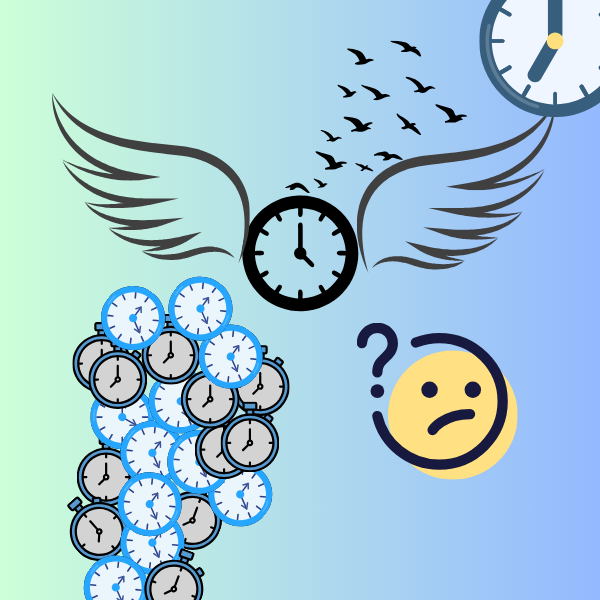
The ADHD brain has its own physics. “Ten minutes” is a social construct. Time either moves at the speed of light or refuses to move at all. There is no in-between.
One moment, a person sits down to check one email, the next, it’s 3 p.m., the coffee’s gone cold, and three existential crises have occurred in the meantime. This is the ADHD time warp in action: where minutes vanish like socks in a dryer and deadlines sneak up like jump-scares.
Why the Brain Thinks It’s a Time Lord
Neuroscience actually backs this up. The part of the brain that keeps track of time, mostly the prefrontal cortex and striatum runs on dopamine. Unfortunately, ADHD brains don’t always keep their dopamine fuel tank full.
That means the brain’s internal clock doesn’t tick properly. Instead of sensing time like a smooth playlist, it skips around like a scratched CD from 2004. Everything becomes either now or not now, which explains why “I’ll do it later” often translates to “completely forgot that existed.
Why Productivity Feels Like a Rigged Game
The problem isn’t laziness… it’s math. If the brain can’t feel time passing, task estimates become pure fiction. “This will take 10 minutes” secretly means “three hours and two emotional breakdowns.”
Suddenly, that “simple” project ends in a sprint fueled by panic and snacks at 2 a.m. It’s not poor planning… it’s that the brain literally doesn’t feel the minutes slipping away until they’ve all filed for retirement.
🔍 Making Time Visible (Because Apparently It’s Hiding)
Since internal clocks can’t be trusted, time has to be made external – loud, visible, and slightly bossy.
🕹️ Use visual timers: Big, colorful countdowns that yell, “Hey! Time’s moving!” are ADHD gold.
📊 Track task durations: Guess how long something will take, then check the actual time. Repeat until time perception gets less delusional.
⚡ Plan around energy, not hours: Match high-focus tasks to high-energy windows. Leave admin stuff for low-battery brain moments.
⏰ Add buffer time: If something usually takes 30 minutes, block 45. The extra 15 minutes prevents future self-loathing.
🧭 Systems That Actually Work
External systems like planners, digital dashboards, or visual Notion templates don’t just organize, they translate time into something visible. Instead of hoping the brain magically remembers, these tools act as external hard drives that track tasks, focus levels, and the invisible march of hours.
When time becomes a picture instead of a concept, life stops feeling like a series of surprise boss fights.
🌙 The Real Takeaway
Time blindness isn’t a personal failure; it’s a software glitch. The brain still runs fine, it just needs a better interface. Once time is externalized, deadlines stop ambushing from the shadows and “ten minutes” finally starts meaning ten minutes again.
For those building better systems, tools like FlowGrid make time visible helping turn daily chaos into calm structure without forcing rigid routines.